
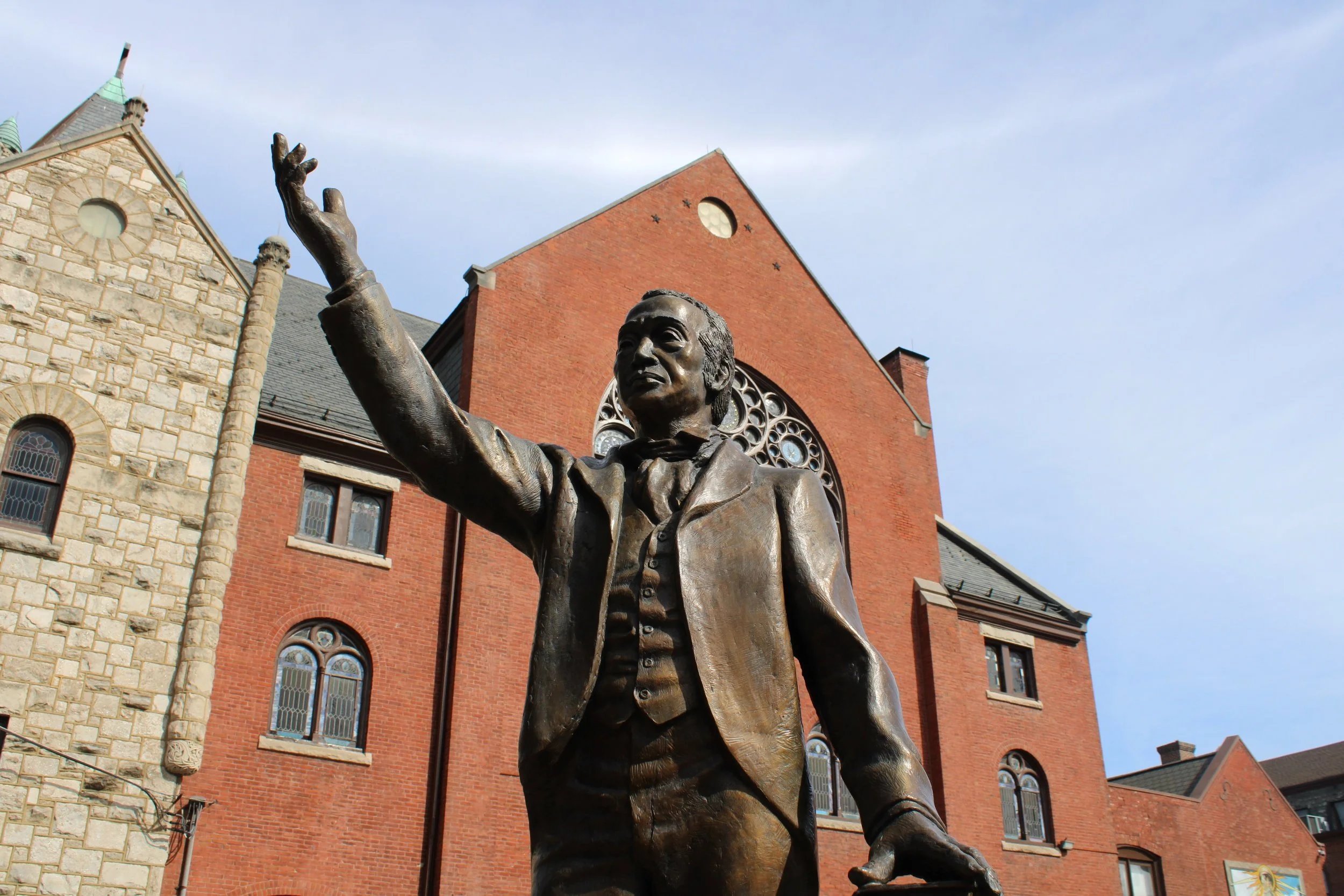
The city of Philadelphia’s extensive history also includes that of the enslaved, abolitionists, freedom fighters, freedman, and so on. Regardless of those who would seek to ignore this nation’s truths.
Prior to the city’s great expansion and reshuffling of the deck, the borders were smaller. The populous was lower, and downtown was Black-er. If you were to stroll through the city’s historic 7th ward today you would find great difficulty pinpointing that history. That is, without a tour guide.
“I think one of the most surprising things is learning just how much economic leverage we had here in Philadelphia,” says Alphonso Dashiell, a Black historian who runs Black history tours of the historic Seventh Ward.
“Because you had so many free Black people earning money and able to generate wealth and that is probably one of the most under-told stories about liberation is that people think that somehow revolutions and all these things happened just by free will…No, a lot of these things cost money,” Dashiell continued. “We expended our wealth in order to help others potentially find that same happiness and that same comfort.”
Akin to the underground operation which saw enslaved peoples become freedmen during the 19th century, Dashiell’s tour service runs through via the good word of mouth. We had the opportunity to join in and take the steps many of our ancestors took navigating the early stone and cobble streets.
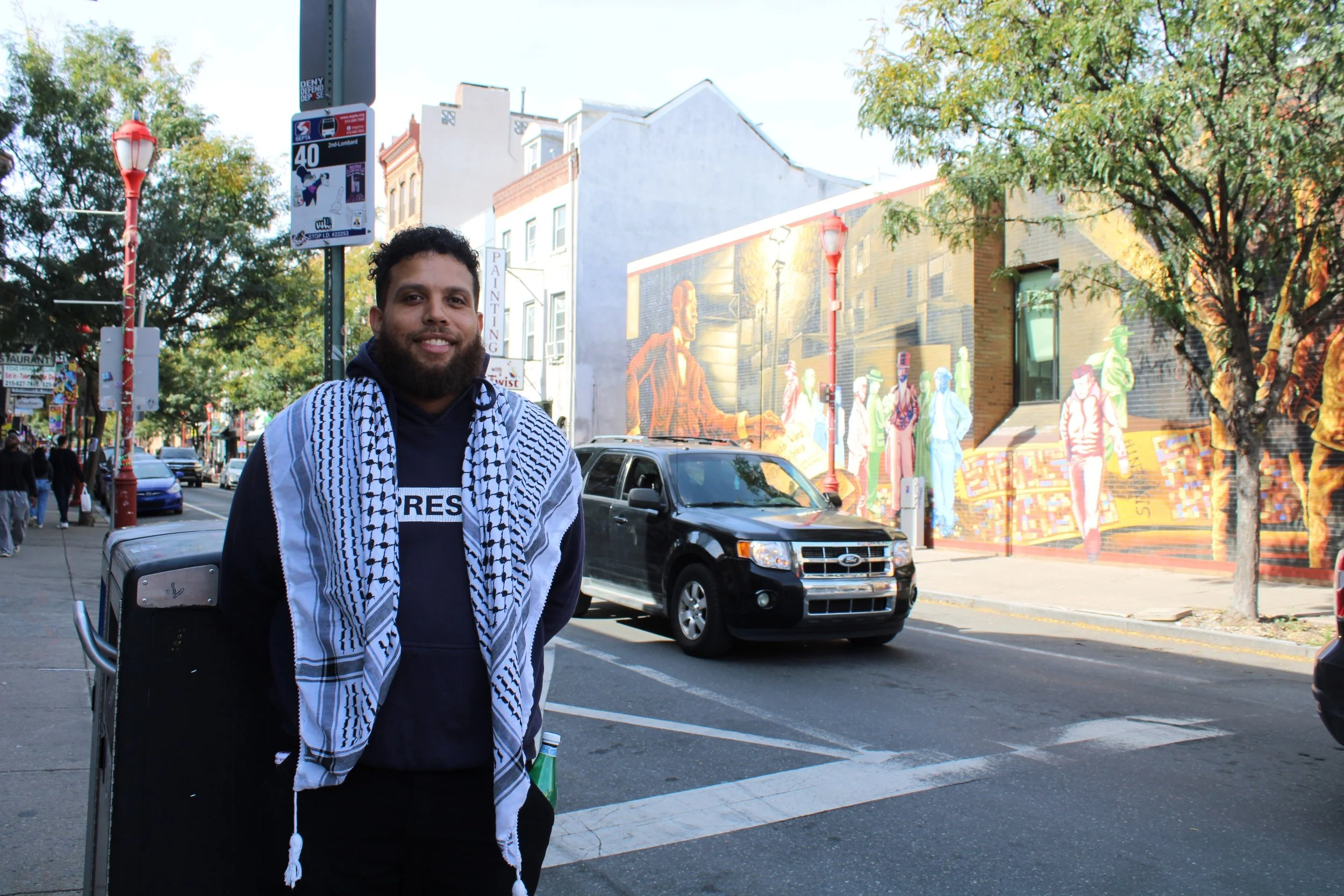
Pictured: Dashiell across the street from South Philly’s Engine 11. The first Black firehouse in the city. Alongside the wall of the firehouse is Depicted a mural of W.E.B. DuBois, a notable figure of the 7th Ward.
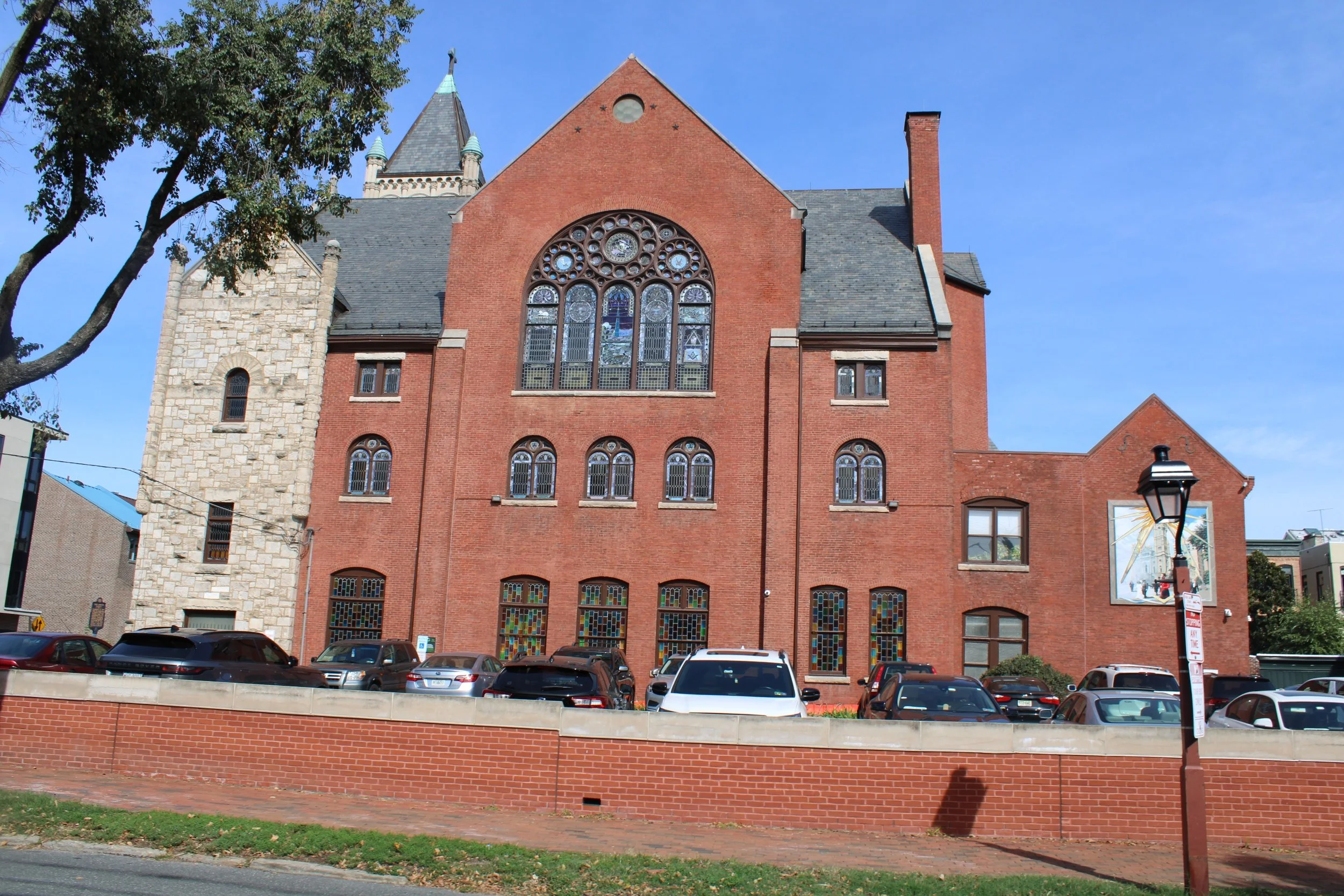
Pictured: Exterior of Mother Bethel AME Church. As finished in 1890.
Positioned as the centerpiece and longest standing fragment of Black owned architecture in the city, our tour began at Mother Bethel African Methodist Episcopal Church. After its first iteration was built in 1794, the church stood as not only a meeting place for abolitionists, but also as a critical piece of the underground railroad for escaped slaves fleeing persecution.
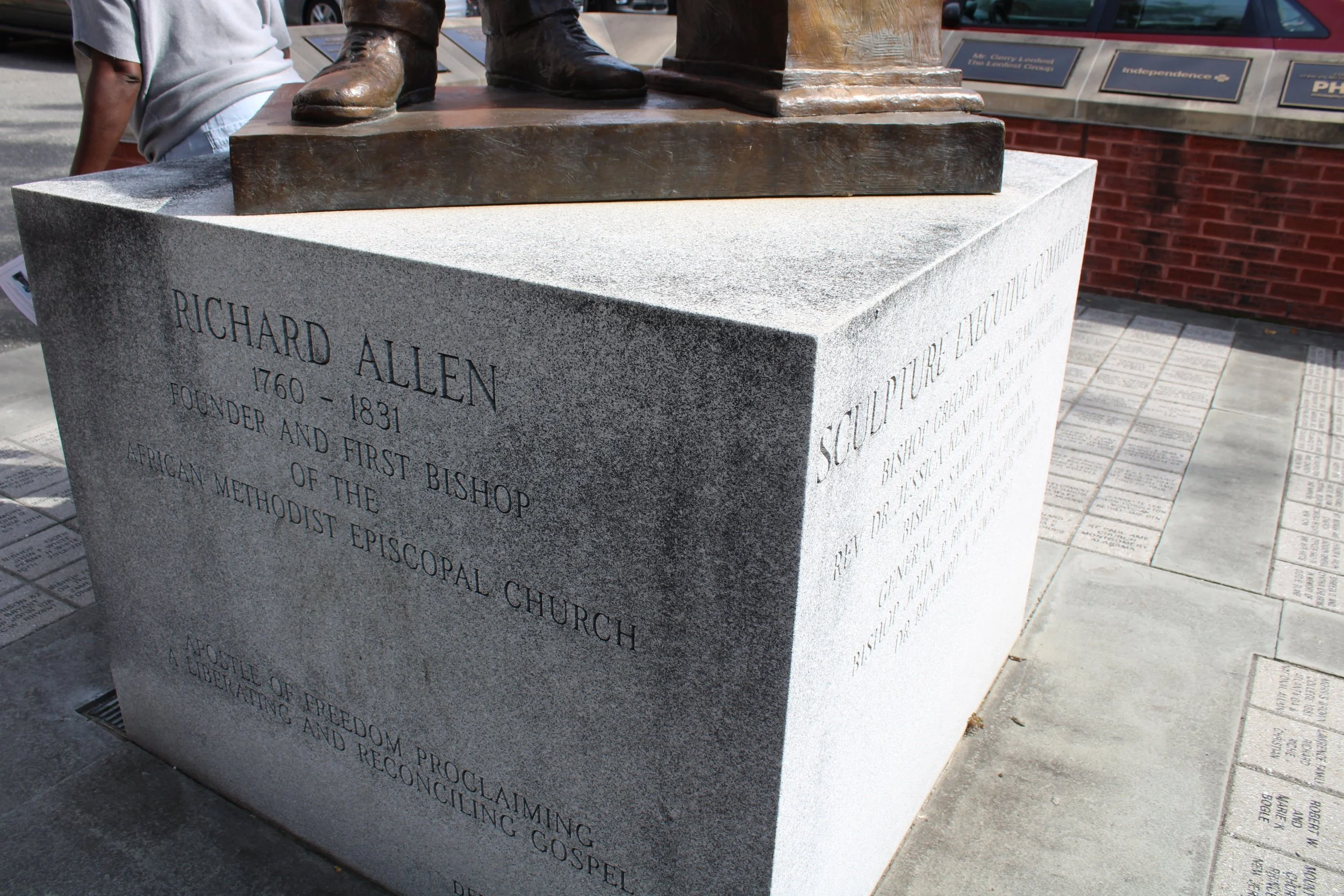
Bishop Richard Allen, the famed Philadelphia preacher and Black founding father for which several pieces of public architecture are named within the city, (including the Richard Allen Homes) along with Absalom Jones helped establish Mother Bethel AME Church from its inception until their deaths. Today the church still stands accompanied by its basement-level situated Richard Allen Museum.
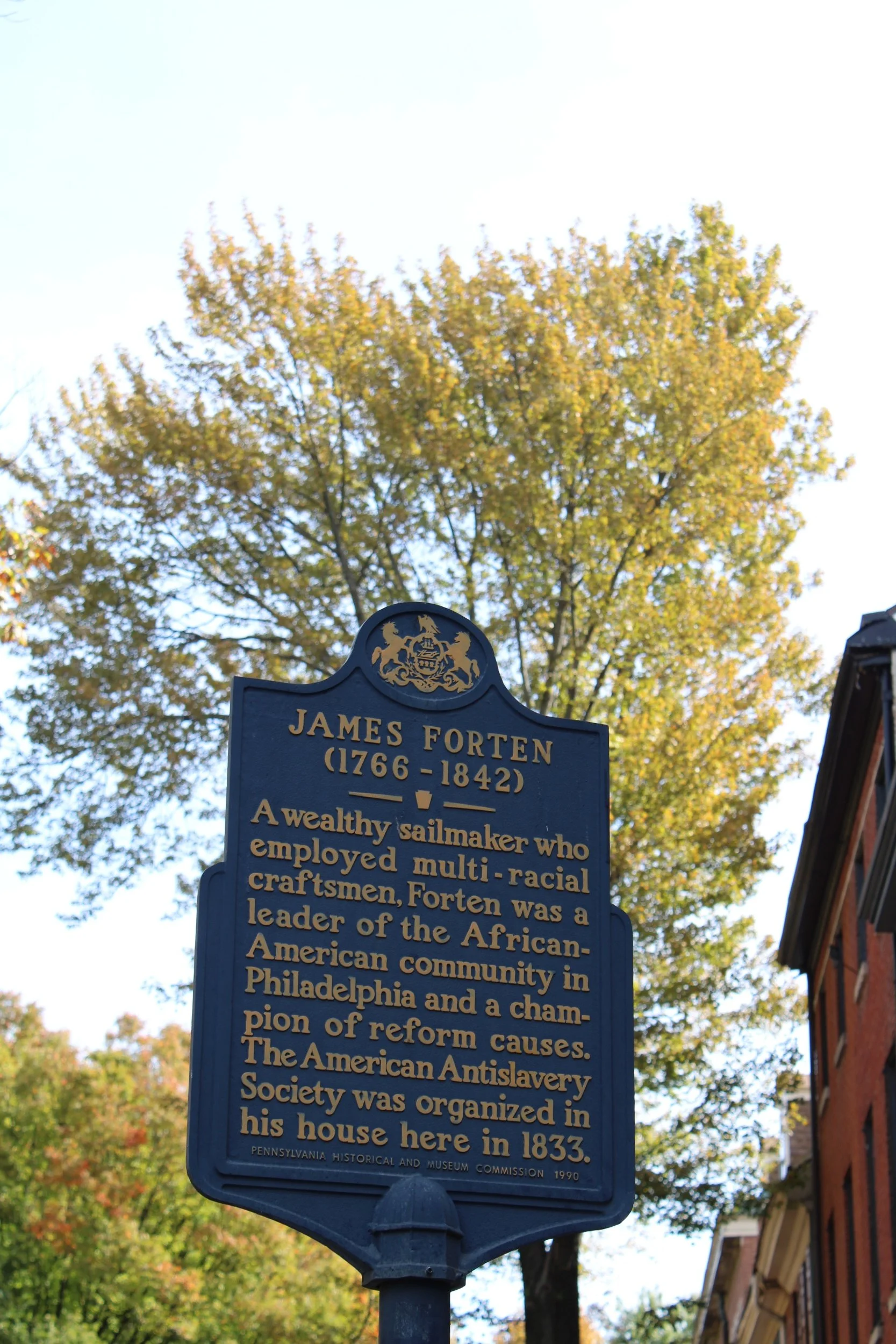
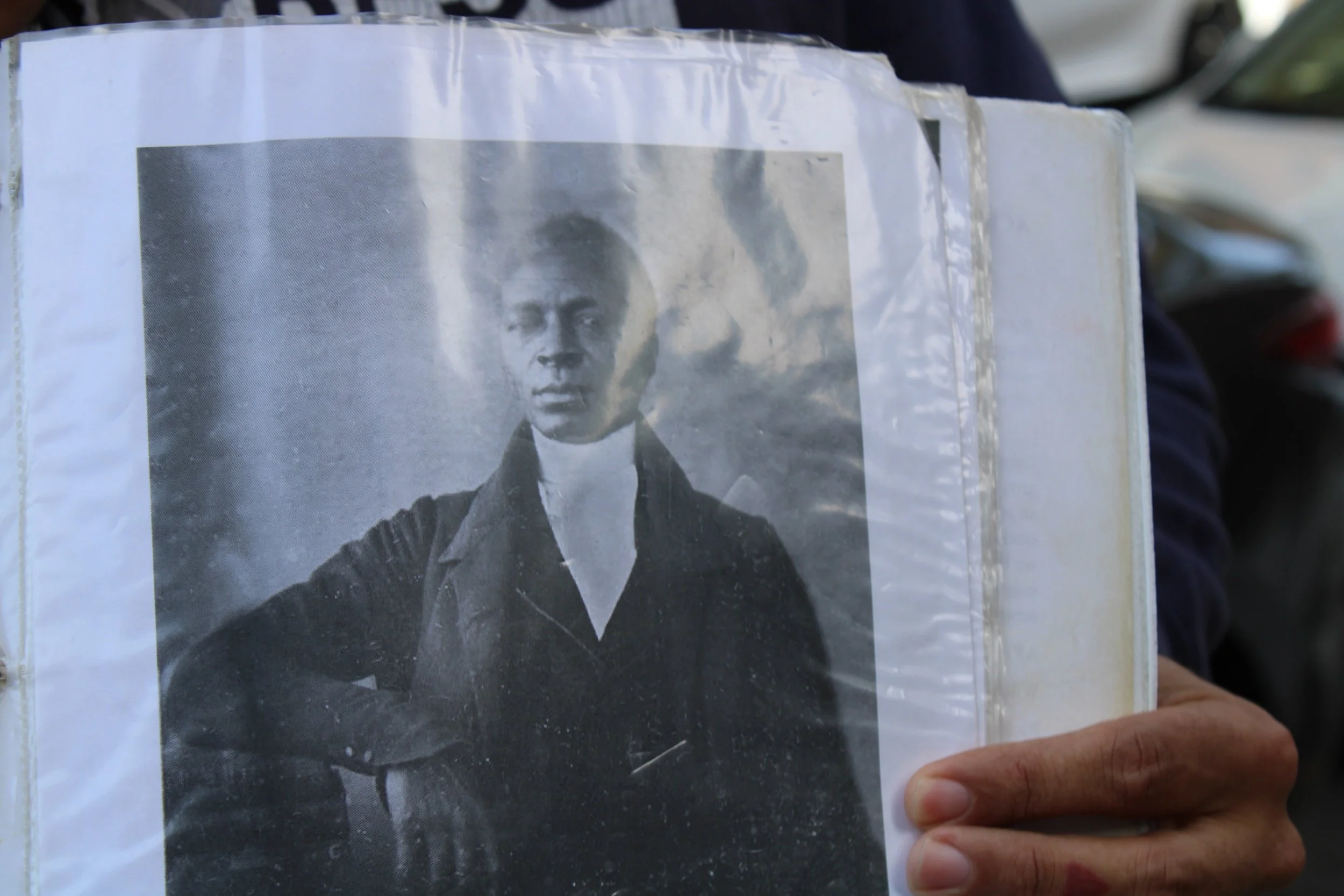
Among the standouts of the tour, was the story of James Forten, a naval raider for the Union during the American Civil War. Held prisoner by the British Navy for seven months, he eventually returened to Philadelphia where he would become a prominent activist and abolitionist as part of the Anti-Slavery Society.
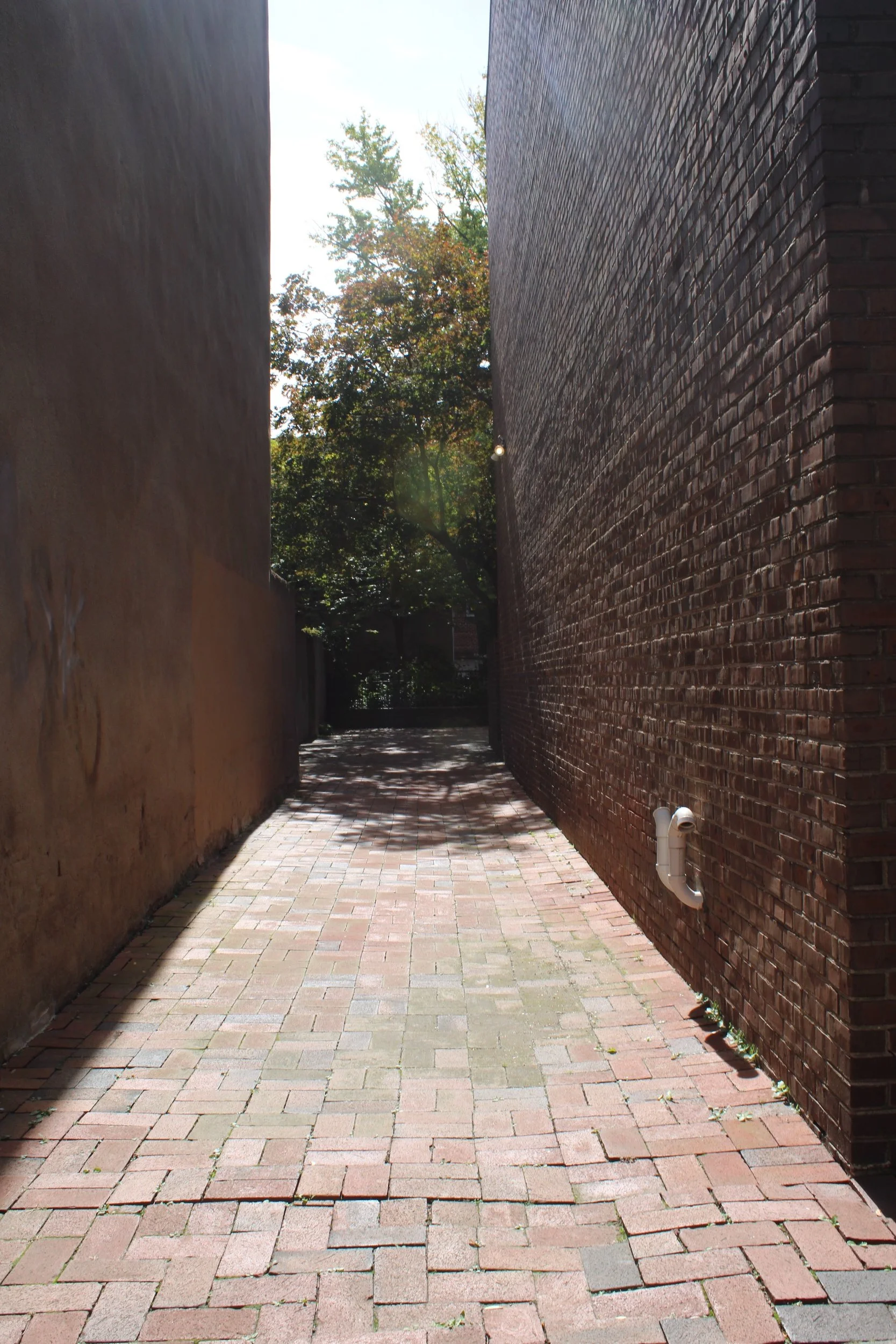
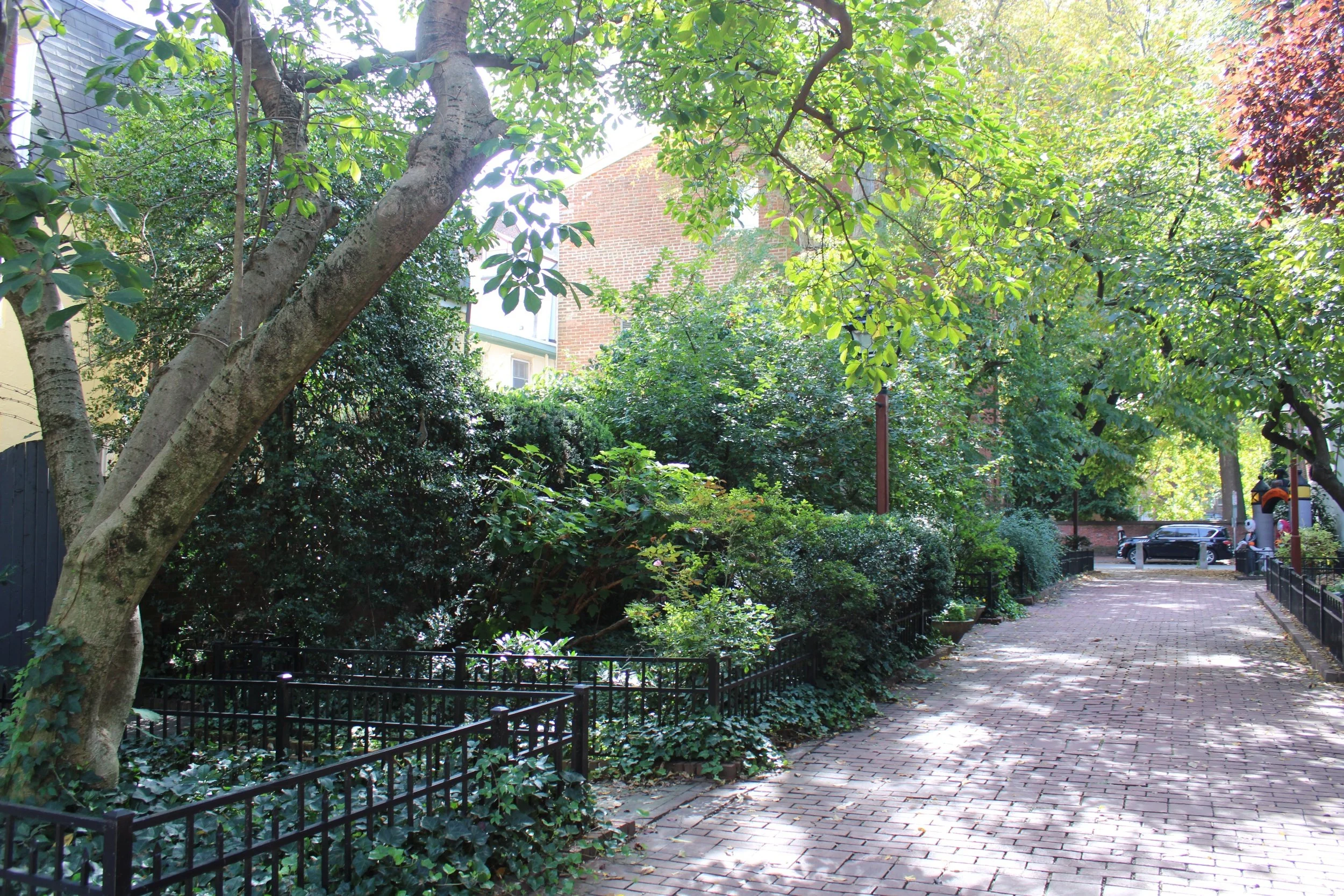
A staple of the colonial architecture of the 7th Ward were the various back alleys bridging the neighborhood together. Due to the prevalence of the slave patrols and catchers, enslaved people utilized these tight neighborhood spaces for a swift escape of those in pursuit. The rise of urban renewal in the 20th century saw many of these original cutaways evolve into public “greenways” and connected neighborhood courtyards.
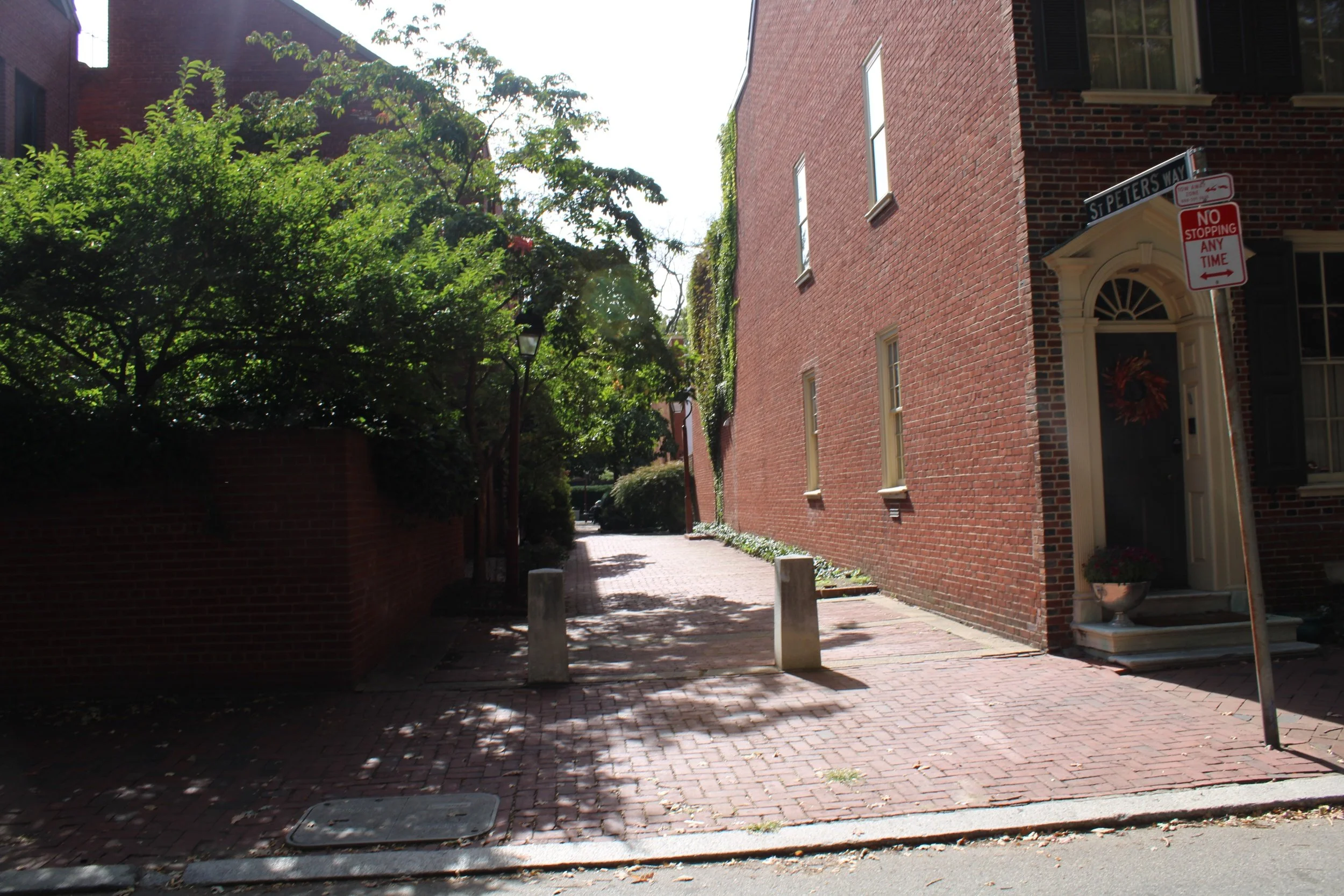
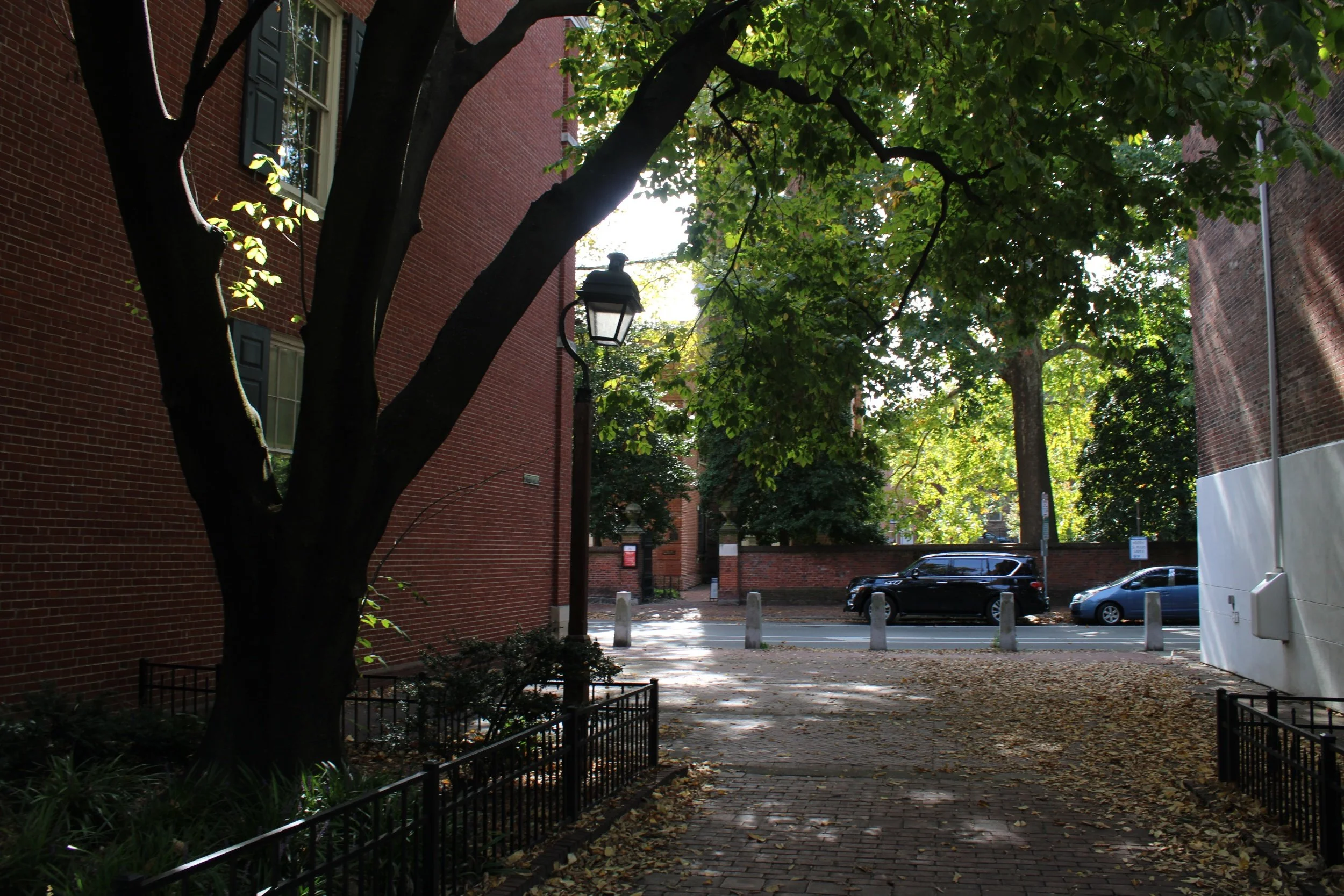
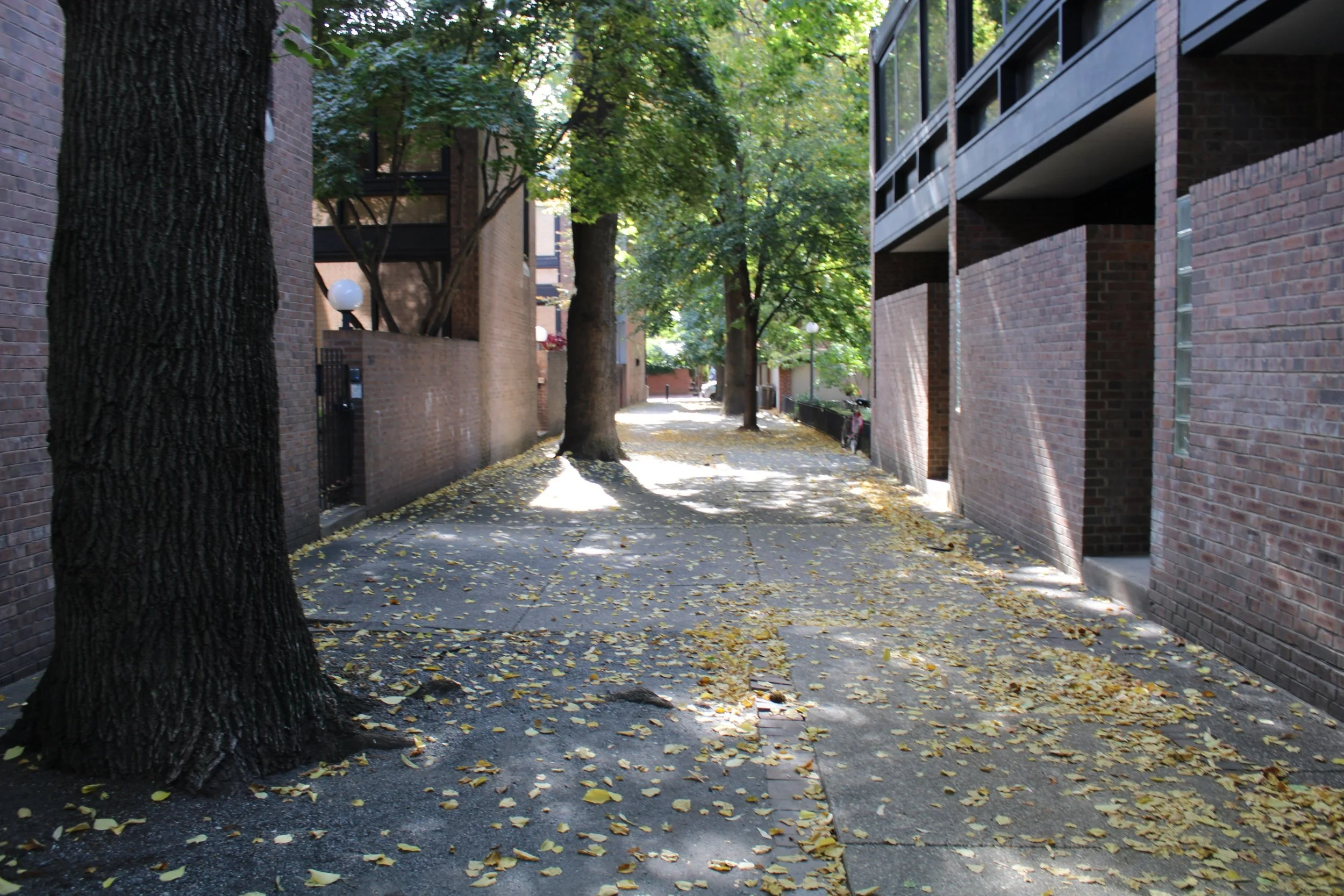
While much of the remnants of the concrete remnants of the underground railroad have been developed-over overtime, local lore points to the existence of tunnels connected to the basement of Mother Bethel Church that led to other nearby safe houses.
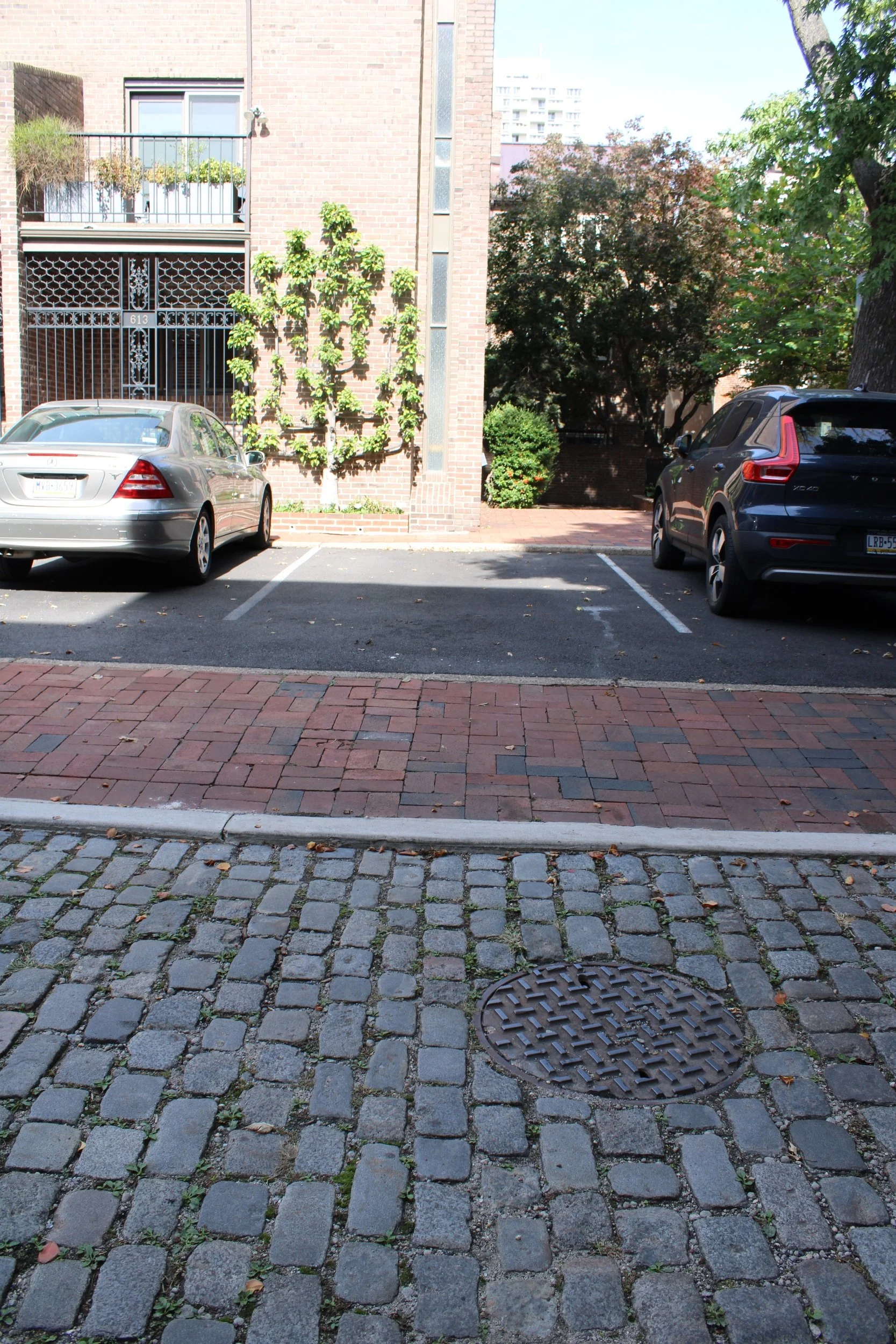
Pictured: A nearby manhole built into the traditional cobblestone street.
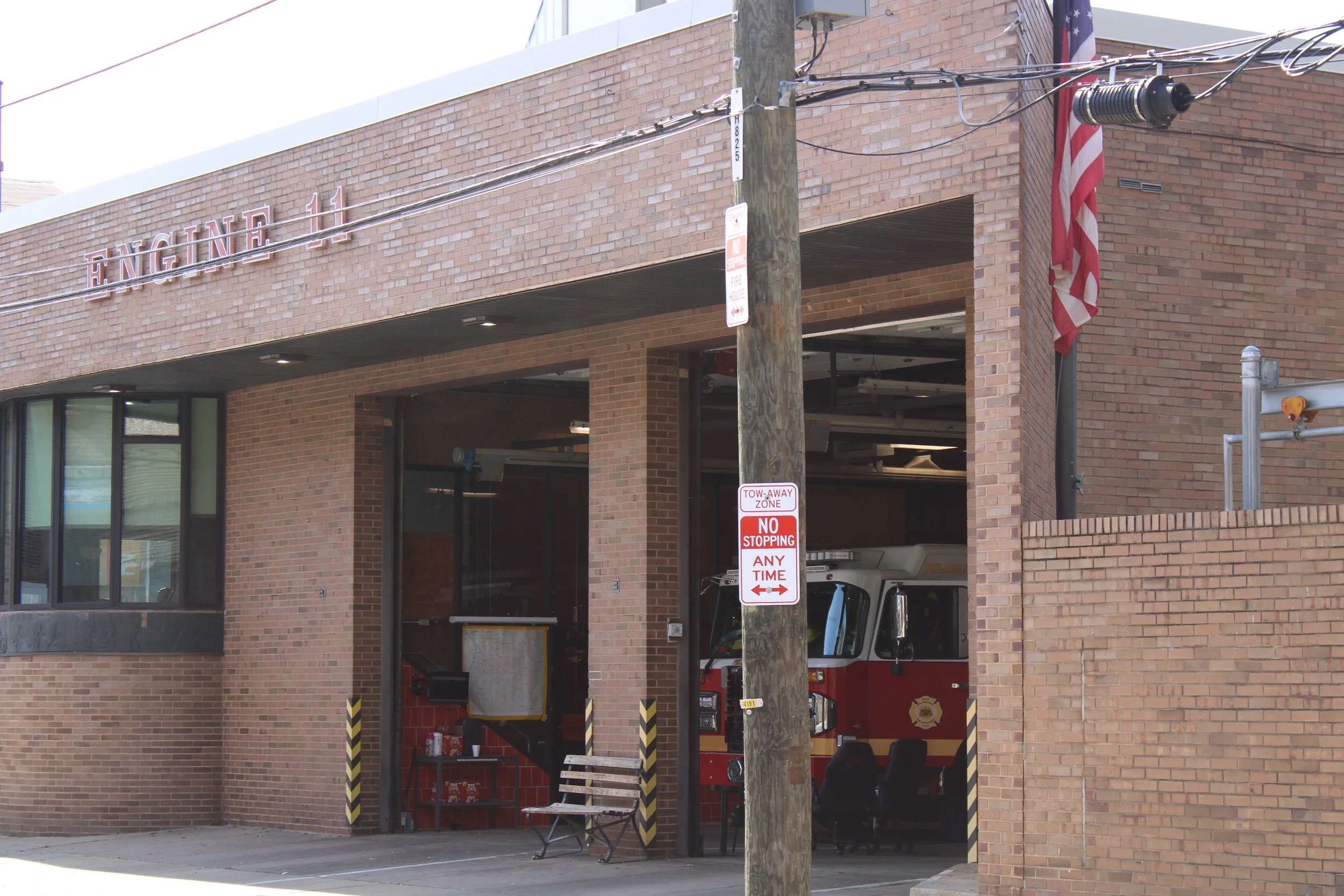
The tour concluded at the current site of Engine 11. Established in 1919 as Philly’s first-ever Black firehouse. Engine 11 was a necessary public service to Black residents in the surrounding area who routinely were ignored by white firehouses during racial segregation. The station fully integrated in 1959 and was moved from its previous 1016 South Street location in 1973.
Speaking with Dashiell after the tour, he emphasized that the connectivity amongst the Black community and abolitionists during this time period was what really allowed the needle to be moved. Specifically noting that capital and infrastructure being poured into the cause in ways that were not transactional, but transformative is what allowed those radical thinkers to push for their new society. It’s something that wealthy Black elites need to take ownership of if they truly stand with their oppressed brothers and sisters in struggle.
“That’s what I want people to take away is that this work still needs to be done…Whatever part of the history that inspired you, get involved.”
Folks interested in in-person experiencing the 7th Ward with Dashiell can send email inquiries to a.dashiell247@gmail.com, call or text 215 802-6410.
